

For women farming in Ghana’s Upper East Region, the challenges are all too familiar: late ploughing, unaffordable inputs, and harvests that never quite reach their full potential. This season at FarmYield Africa, we are actively changing that through our input credit programme.
We have set our most ambitious target yet, to reach 3,500 smallholder farmers in 2026, with at least 80 percent of them being women. We intend to provide mechanisation services, input credit for seeds, fertiliser, and agrochemicals, and hands-on technical support from planting through harvest to women farmers.
“We understand the challenges farmers face, from accessing inputs and tractors to getting the right support at the right time,” said Emmanuel Nsobila, Chief Operations Officer of FarmYield Africa.
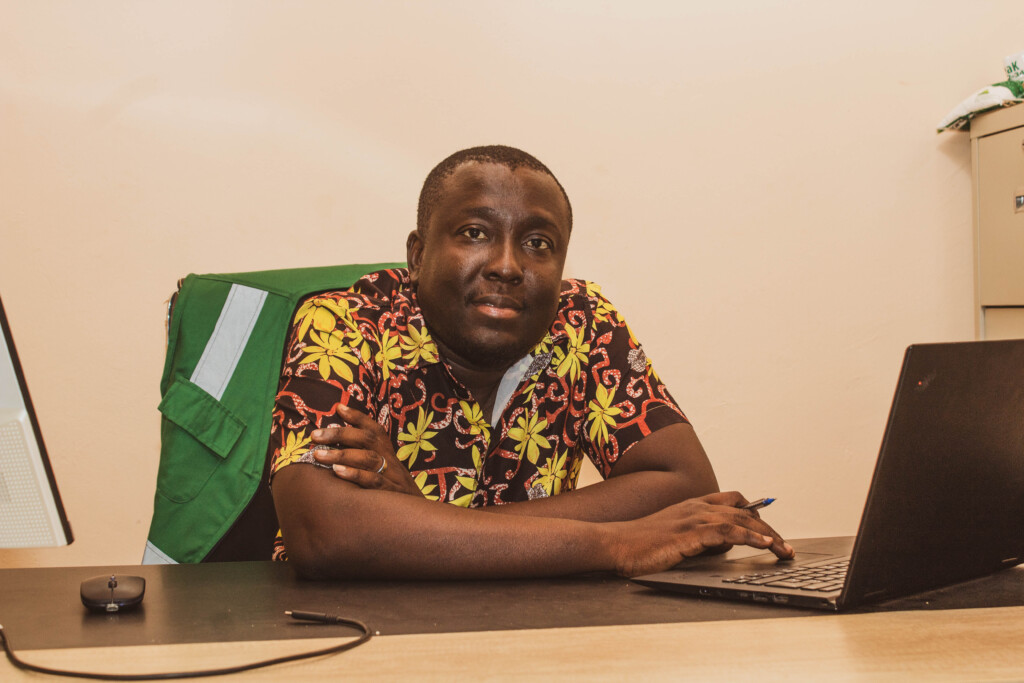
“Our goal is to make farming easier, more productive, and more profitable. We walk this journey with farmers from planting to harvest. With the right support, every woman can grow more, earn more, and build a better future for herself and her family.”
At the heart of our program is an input credit initiative designed to remove one of the biggest barriers to a productive season: cost.
Felicia Anabire, FarmYield Africa’s Farmer Finance Manager, oversees the entire input supply and credit process. She explains that every farmer’s journey begins with a conversation.
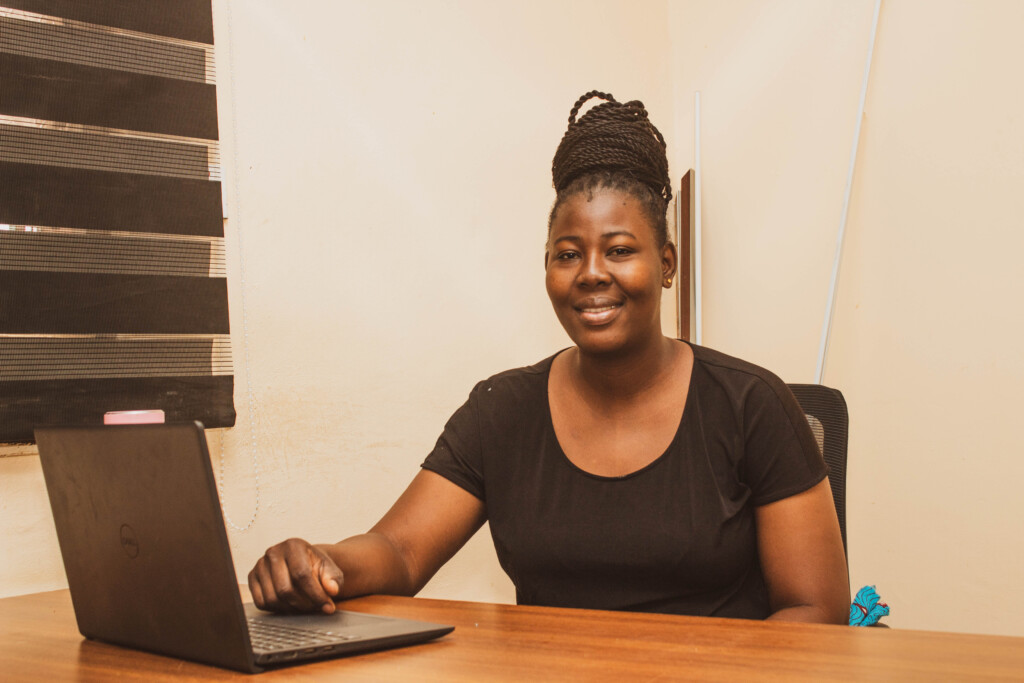
“We walk them through how the input credit system works, what’s available, how repayment is structured, and what to expect,” she said. “That first step builds trust and addresses concerns.”
Once a farmer or group signs on, we register them into our system and collect key details such as location, farm size, and farming history. This allows us to tailor support. We then deliver inputs at the right time in the season, while our extension officers provide ongoing monitoring and guidance. At harvest, we structure repayment in a way that eases the burden.
“By the end of the process, she doesn’t just receive input, she gains knowledge, confidence, and a support system,” Anabire added.
We focus especially on women farming in clusters or block farms, groups whose fields are located close together. This approach goes beyond convenience. “When women farm together, they share knowledge, support each other, and build confidence in adopting improved practices,” Anabire explained. “It also strengthens accountability and reduces costs, making the model more sustainable.”
For Moses M. Hadjor, FarmYield Africa’s Farmer Support Manager, mechanisation is a tool that transforms lives every day.
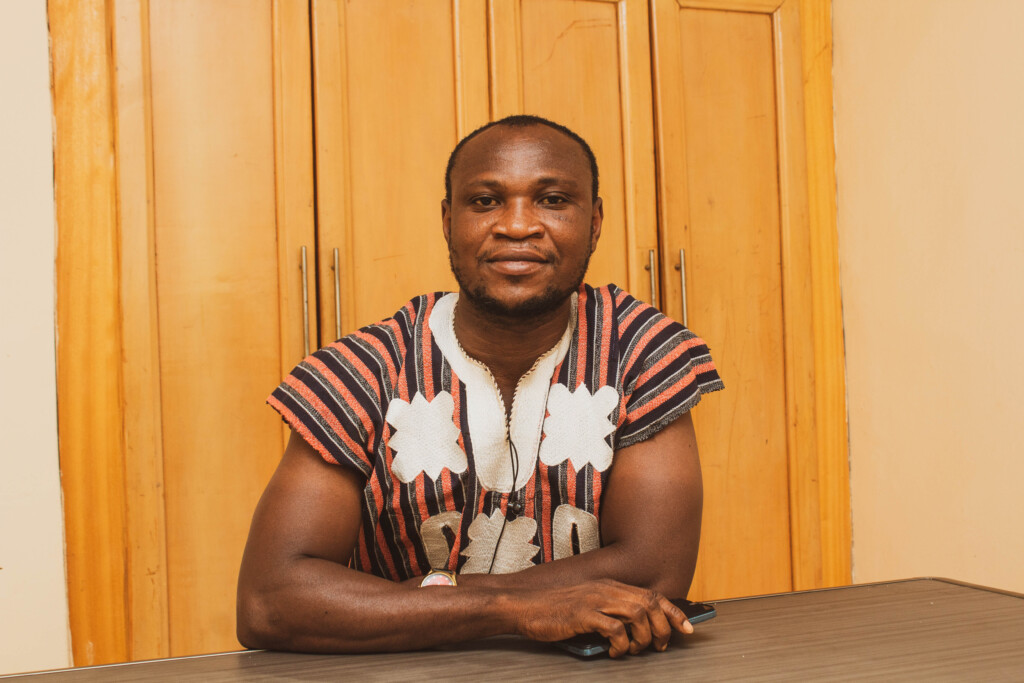
In the Upper East Region, many women have traditionally relied on bulls to till their land. The results are often inadequate.
“They barely scratch the surface,” he said. “The soil isn’t properly loosened, so crops can’t access nutrients. That forces farmers to plant late or choose shorter-maturity crops, and even those don’t always succeed.”
Many of these women also manage their farms alone, after husbands and sons migrate to cities for work. Without reliable access to mechanisation, they often depend on bullock owners under unfavorable conditions.
“Sometimes they had to buy drinks just to get the work done,” Hadjor said. “And even then, the work wasn’t done properly.”
When a tractor arrives, the impact is immediate.
“The excitement, the joy of seeing their land properly tilled—it shows on their faces every time,” he said.
He recalls an elderly woman in Pwalugu who approached him late one evening, asking for help ploughing her small rice plot. Despite the hour and distance, the team stayed and completed the work. When he returned to the community later, she recognized him from across the field and ran to embrace him.
“She prayed for me,” he said. “That kind of joy—it’s immeasurable.”
This season, we are deploying five functional tractors across communities in the Upper East Region, with three more expected before June. By stationing tractors within communities such as Tongo, Paga, Navrongo, and Sherigu, rather than moving them constantly, we improve efficiency and reduce fuel and travel costs.
Our mechanisation efforts will cover more than 3,000 acres.
For Barikisu Iddrisu, FarmYield Africa’s Agronomist, success is not just about this season’s harvest, it is about long-term transformation.
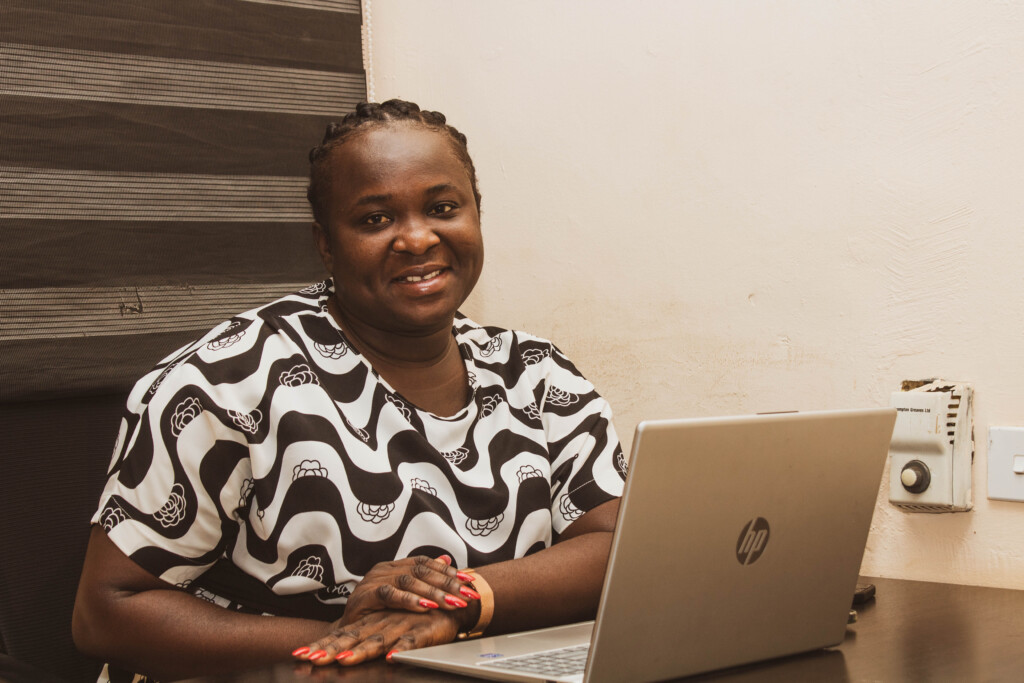
“Good yields come from a combination of factors, soil health, quality seeds, timely planting, proper fertilizer use, and effective pest control,” she said.
Her work takes her directly into farmers’ fields, where she provides practical, hands-on training tailored to local conditions. Her goal is simple: ensure that every farmer leaves the season with knowledge they can use again and again.
“We want farmers to see farming as a business, not just a subsistence activity,” she explained. “With the right knowledge, they can increase yields, reduce losses, make better decisions, and improve their income.”
The long-term impact is clear. “This shift in knowledge and mindset leads to more resilient farming systems, stronger household economies, and empowered women who can sustainably support their families and communities,” she said.
Built to Scale
In 2025, we supported nearly 2,000 farmers. Our goal of reaching 3,500 farmers in the 2026 season reflects a significant expansion of a model we have carefully built and refined over time in Northern Ghana.
Our focus on women is both intentional and essential.
“Supporting women farmers strengthens entire communities,” Nsobila said. “When women succeed, families thrive, and food systems become more resilient.”
Female farmer groups, especially those working in clusters or on larger plots in the Upper East Region are encouraged to reach out and access our mechanisation, input credit, and technical support services.