

The Board Chairman of FarmYield Ghana, Yaw Agyare, has completed a three-day working visit to the Upper East Region, where he engaged staff, interacted with farmers, and assessed the organisation’s growing mechanisation and farmer support operations.
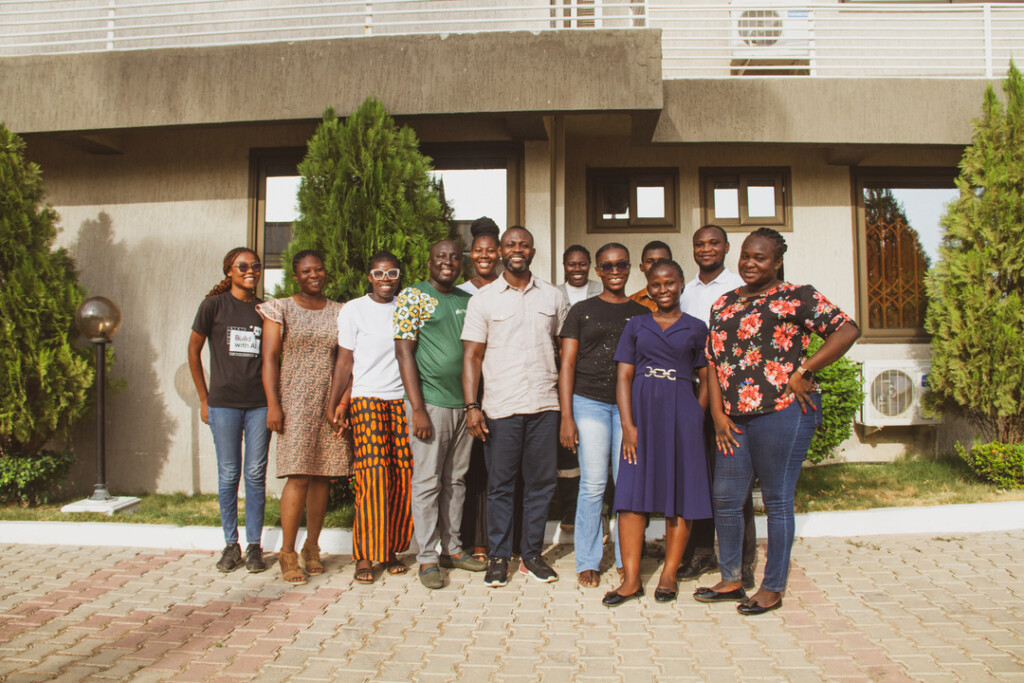
The visit formed part of efforts to deepen board-level understanding of on-the-ground activities, as FarmYield Ghana scales its support to smallholder farmers through input financing, mechanisation, and market access.
During the visit, Mr. Agyare met with staff across departments to better understand operational processes and the strategies driving the organisation’s targets for the 2026 planting season. He also travelled to Navrongo, where he engaged directly with farmers, many of them rice producers, who have benefited from the organisation’s support.
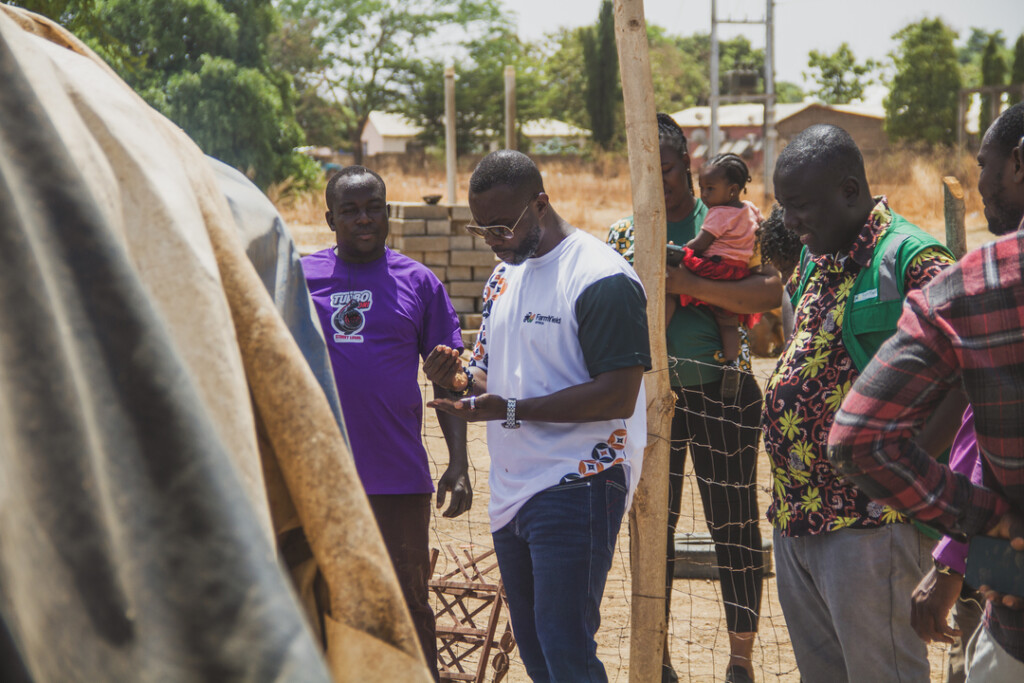
Reflecting on the visit, Mr. Agyare highlighted the dedication of the team as a key strength of the organisation.
“What stands out most is the team’s commitment and the practical, hands-on approach to solving real farmer challenges,” he said. “You can see that the work is not just planned at the top, it is truly laid on the ground by the work that our team does.”
FarmYield Ghana has set ambitious targets for the season, aiming to reach 3,500 farmers, 80 percent of them women, and mechanise 3,000 acres of farmland. According to the Board Chairman, these figures represent more than operational goals.
“These targets are not just numbers,” he noted. “They translate into increased yields and better incomes for our smallholder farmers. Mechanisation at scale will directly improve food security while giving farmers a more reliable path to sustainable livelihoods.”
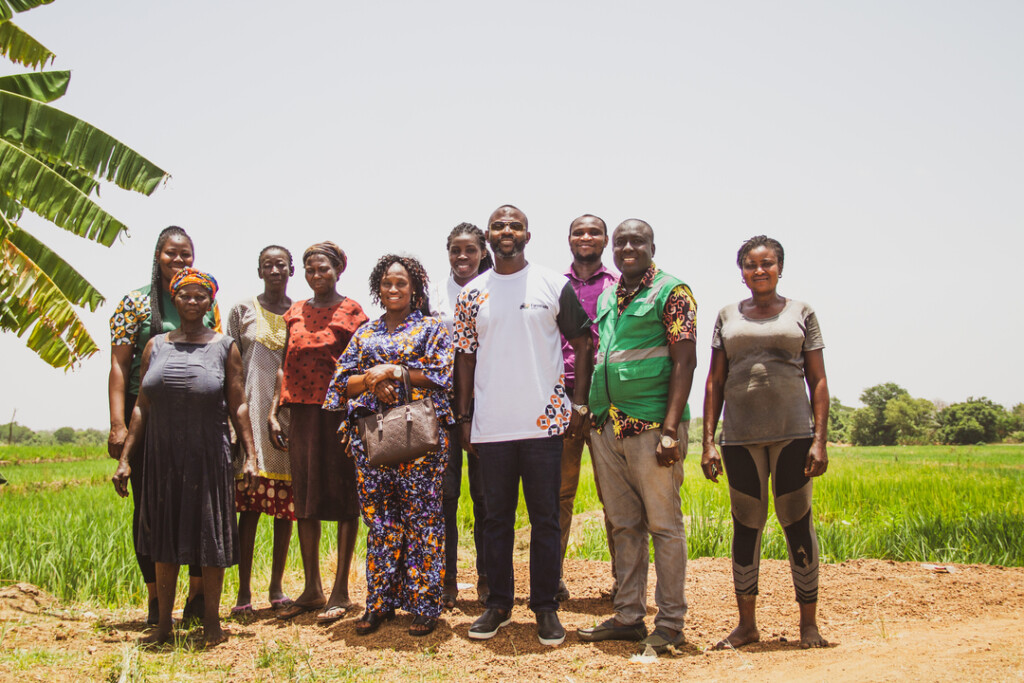
However, interactions with farmers revealed persistent challenges, particularly around access to markets and timely services. Farmers in Navrongo spoke openly about difficulties in selling produce and delays in accessing mechanisation support during critical farming periods.
“Access to market was one of the key issues they raised,” Mr. Agyare said. “There is also the need for timely mechanisation. Our focus is to close these gaps by improving coordination, helping farmers find markets, and ensuring services reach them when they need them most.”
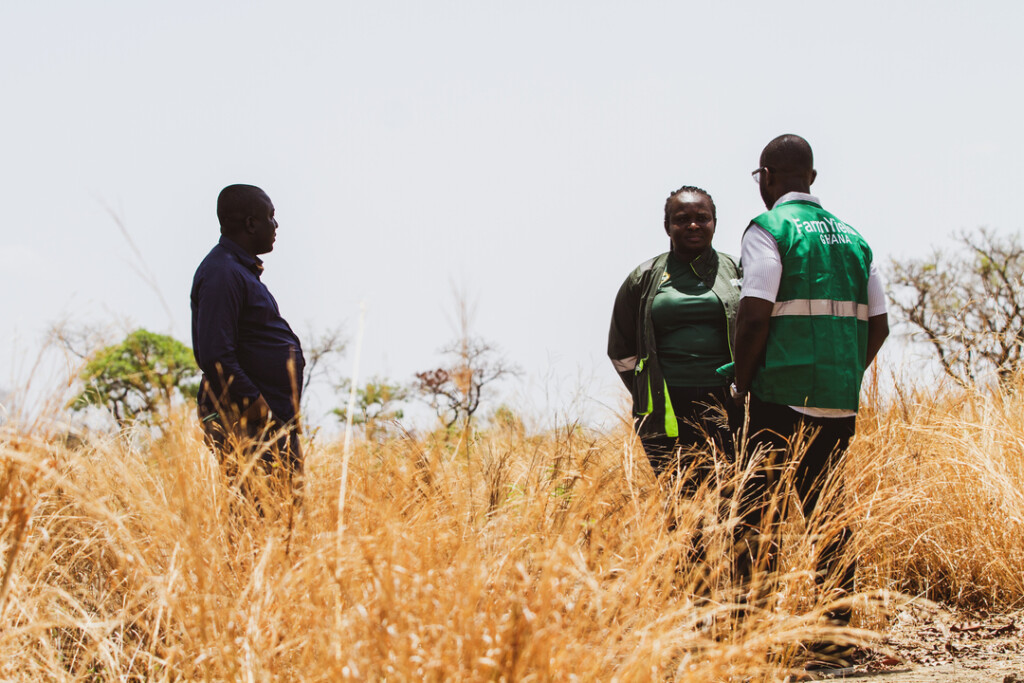
As part of the visit, Mr. Agyare also toured a 100-acre field at Balungu, where FarmYield Ghana is preparing to roll out its One Youth, One Acre initiative alongside a block farming model. The project is expected to create opportunities for young people while improving efficiency and productivity through structured, mechanised farming systems.
A strong emphasis this season is on increasing the participation of women, not only as farmers but also as operators within the mechanisation value chain.
“Focusing on women is critical because they are the core of agricultural production, yet often underserved,” Mr. Agyare said. “Supporting them is one of the fastest ways to strengthen household incomes and build community resilience.”
Looking ahead, he outlined a long-term vision of transforming smallholder agriculture into a viable and scalable business model.
“Our vision is to build a scalable, efficient agricultural system that consistently improves productivity and farmer incomes,” he said. “We want FarmYield Ghana to be a trusted platform that transforms smallholder farming into a sustainable business.”
He added that while the organisation is targeting 3,500 farmers this season, the broader ambition is to scale operations to reach 5,000, 10,000, and eventually many more smallholder farmers across the country.
The visit underscores FarmYield Ghana’s commitment to strengthening its operations, responding to farmer needs, and expanding its impact as it works to transform agriculture in northern Ghana.