

Farm Yield Africa recently ended a five-day refresher training programme focused on strengthening skills in the use of key agricultural implements, such as harrows, planters, and trailers. The training is aimed at helping trainees understand the proper and effective ways of using and managing tractors.
According to Ms Ayeh, Mechanisation Specialist at Farm Yield Africa, most operators apprentice under “masters”.

“A lot of them do not know the essence of the tillage activities they’re carrying out. This leads to improper land preparation in many cases,” she explained.
That gap in understanding is exactly what the refresher training sought to address.
From day one, the focus of the training was clear: building a strong foundation. Participants were taken through an introduction to agricultural mechanisation, including the history and types of tractors, their basic components, safety protocols, and daily maintenance checks. The learning was immediately reinforced with practical sessions.
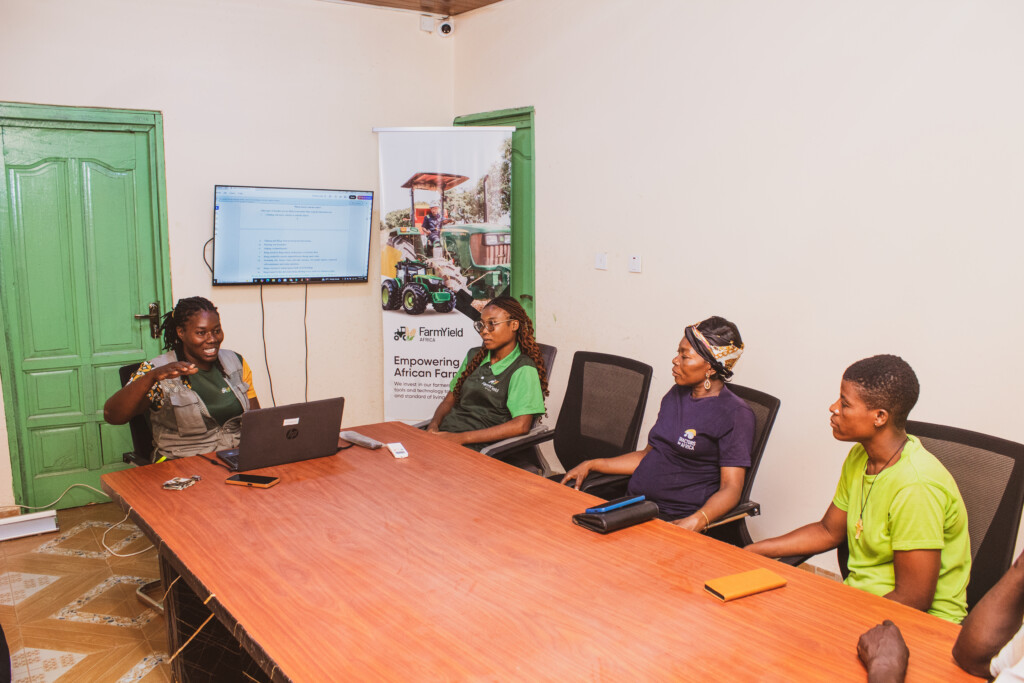
“Trainees are usually eager to begin the practicals and don’t think the theory is relevant,” Ms. Ayeh said. “We do a bit of theory and go out to practice so they immediately see the importance of what we are educating them on.”
That balance between theory and practice continues throughout the training.
By the second day of the programme, participants were introduced to soil and tillage, a critical but often overlooked aspect of farming. Understanding soil conditions and the right tillage approach can significantly affect yield outcomes, yet it is an area many operators have limited formal knowledge of.
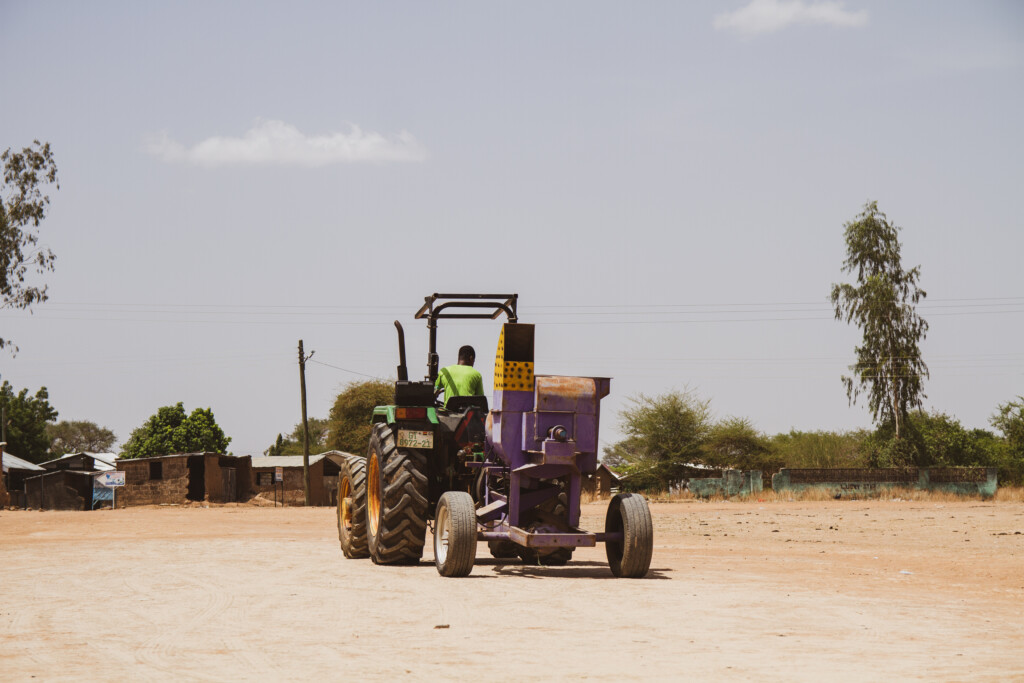
The training then moved into specialised areas. Day three focused on planter operation, equipping participants with the skills to support faster and more efficient planting.
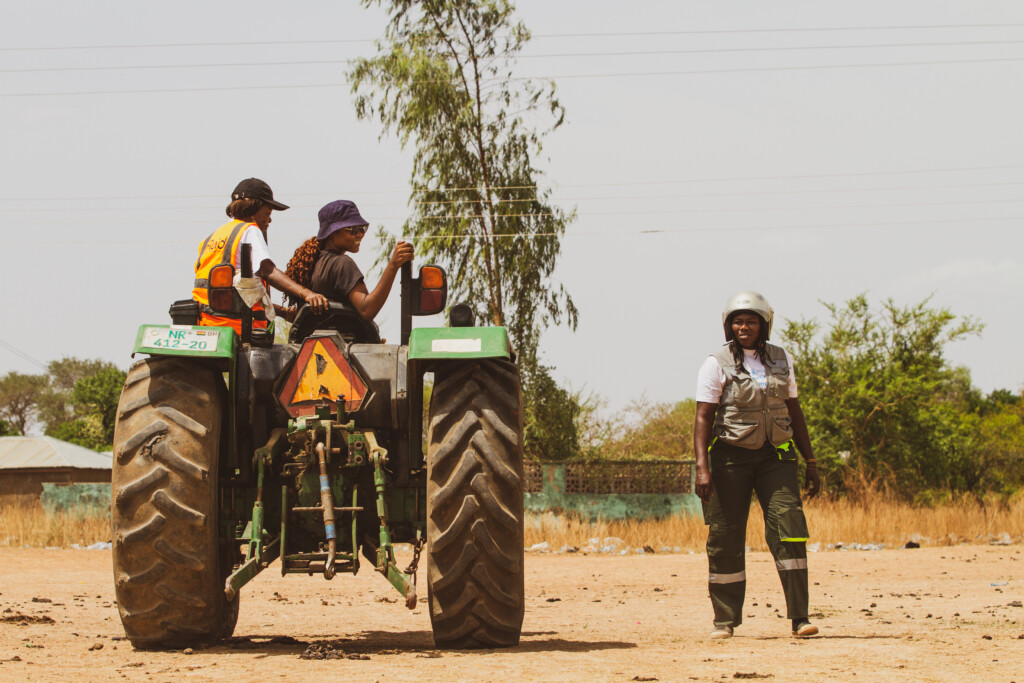
The final two days were dedicated to trailer use; including driving with a trailer and mastering reverse manoeuvres, a skill that requires both patience and precision. Beyond fieldwork, this has practical economic value.
“After threshing activities or whenever haulage needs to be done, the trailer can be used to reduce the cost of renting other cargo vehicles,” Ms. Ayeh notes.
One of the most powerful aspects of the training was who it was reaching. Three of the four participants were women, a deliberate effort to expand opportunities within agricultural mechanisation.
Traditionally, much of the ploughing work has been dominated by men, largely because of the income it generates from covering large acreages. But there is a growing gap, and opportunity, in the use of implements.
“Not many operators are well-versed in using implements like harrows or planters,” Ms. Ayeh explains. “This will give the women an edge. There will be no competition, and they will earn good income.”
For us, this is not just about skills training. It is about reshaping who participates, and who benefits, in agricultural value chains.
The impact of this training goes beyond the operators themselves. Farmers stand to benefit from better soil preparation, more efficient planting, and reduced turnaround times.
“Farmers will have better soil tillage and faster planting time using tractor-mounted planters as against manual labour,” Ms. Ayeh adds.
As we prepare to receive three additional tractors, this investment in people is just as important as the investment in equipment. Because ultimately, machines do not transform agriculture, skilled people do.
And here at FarmYield Africa, that is exactly what we are building.