

FarmYield Africa Ghana began the first in a series of theoretical and practical training sessions for participants of its One Youth One Acre Farming Initiative on Saturday, covering core principles of maize production as the region’s planting season gets underway.
The session, held May 30 at the FarmYield Africa office, was facilitated by Barikisu Iddrisu, an agronomist with the organization. It brought together 20 young participants enrolled in the initiative’s second phase, double the number of participants in the first edition of the programme in 2025.
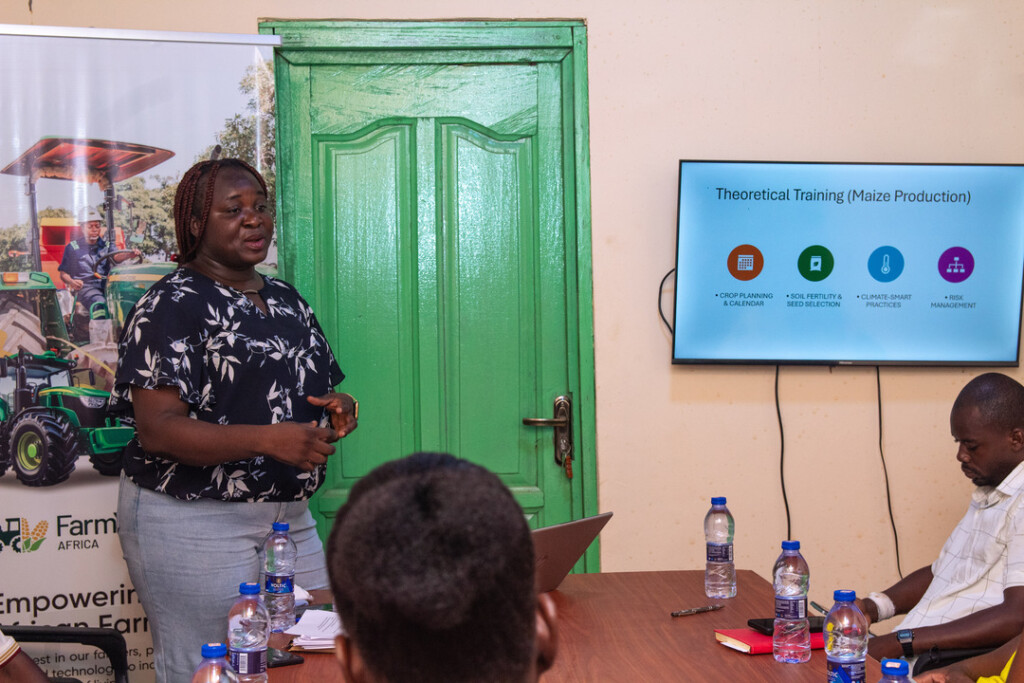
Ms. Iddrisu walked participants through key aspects of maize cultivation, including crop planning, soil fertility management, seed selection, climate-smart farming practices, and risk mitigation strategies. She emphasized the importance of timely land preparation and planting, noting that the Upper East Region’s single rainy season, typically running from May through October, leaves little room for delays.
“Early land preparation and timely planting are essential for achieving good yields,” Ms. Iddrisu told participants.
The training outlined a maize production calendar calling for land clearing and mechanized ploughing in late May through early June, with planting to follow immediately after effective rainfall. Harvesting is expected in September and October, with grain drying, storage, and marketing to follow.
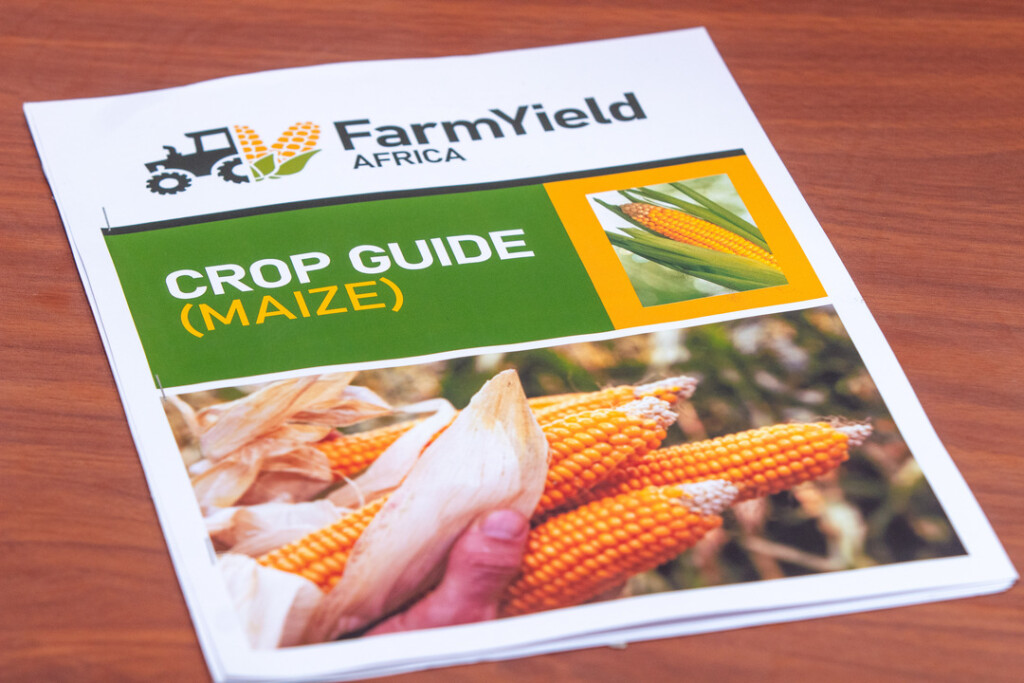
Participants were also instructed on the use of certified hybrid seeds, which the organization said offer higher yield potential and greater resistance to pests and diseases compared to traditional varieties. Soil fertility guidance covered recommended fertilizer application at two weeks after planting and again at five to six weeks, with an emphasis on incorporating organic matter where possible.
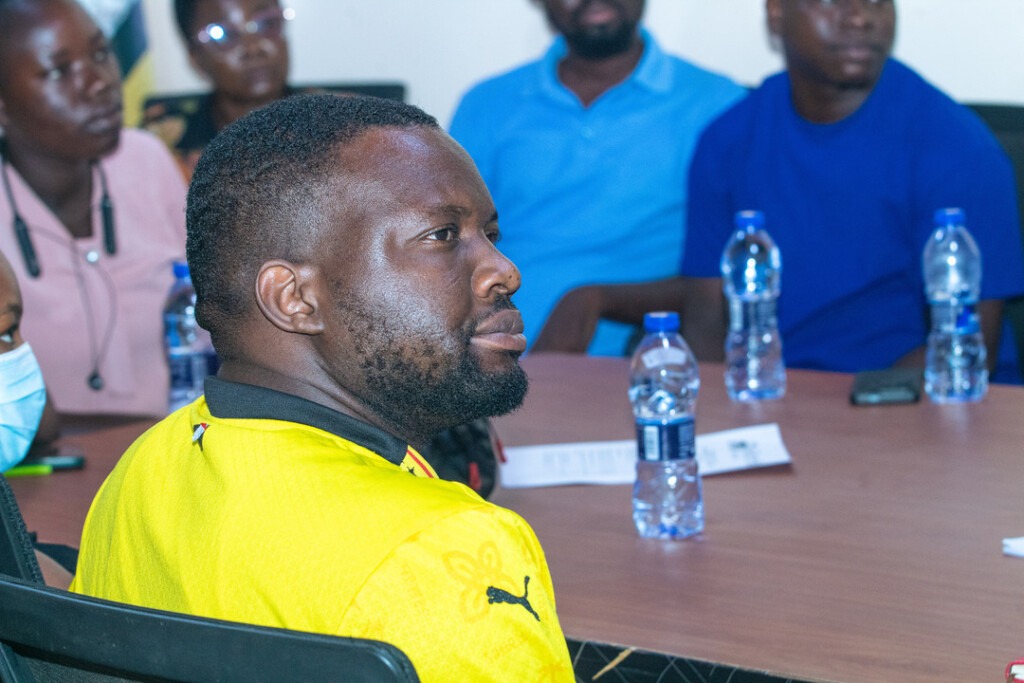
The session forms part of a broader six-month curriculum that combines agronomic training with business skills including marketing, record-keeping, and financial management. Each participant has been allocated one acre under a block farming system and will receive continuous agronomic support, mechanization services, and input financing throughout the farming season.
Chief Operations Officer Emmanuel Nsobila said at the programme’s April 2026 orientation that the goal extends beyond producing farmers. “The goal is not just to train farmers, but to build an entrepreneurial mindset,” he said, adding that participants would be equipped with skills in marketing, record-keeping, bookkeeping, and accounting so they can run farming as a business.

The One Youth One Acre initiative is designed to address key challenges facing young people in agriculture, including limited access to land, inputs, and technical support, with the broader aim of increasing productivity, improving incomes, and reducing rural-urban migration.
Saturday’s classroom session is the first of several planned training events scheduled throughout the farming season. Practical field components are expected to follow as participants begin working their allocated plots in the coming weeks.